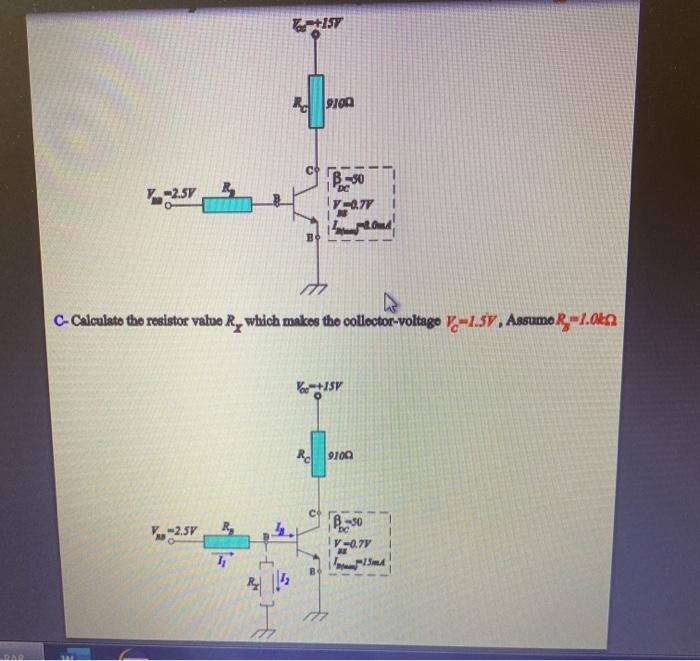
Output characteristics of a BJT Circuit Diagram The Bipolar Junction Transistor or BJT, is a solid-state current-controlled device which can be used to electronically switch a circuit, you can think of it as your normal Fan or Light switch, but instead of you turning it on manually it can be controlled electronically. Technically speaking, BJT is a three-terminal device with an Emitter

device and it comes in two general types: the Bipolar Junction Transistor (BJT) and the Field Effect Transistor (FET). Here we will describe the system characteristics of the BJT configuration and explore its use in fundamental signal shaping and amplifier circuits. The BJT is a three terminal device and it comes in two different types. The npn What is a Bipolar Junction Transistor (BJT)? A bipolar junction transistor( BJT) is a directly junctioned electronic device generally applied in revision and switching circuits. It's composed of alternate layers formed by either P- type or N- type semiconductors and comprises three regions: the emitter, the base, and the collector.

Introduction to Bipolar Junction Transistors (BJT) Circuit Diagram
EE 221 BJT: Structure A BJT is a sandwich of three regions of semiconductor, each with a different doping. Each region is connected to a terminal of the transistor. Here is the structure of an npn BJT. • Emitter: Heavily doped (here n-type. The emitter injects its majority carriers (electrons) into the base. • Base: A very thin region that controls the flow of the injected charge carriers.
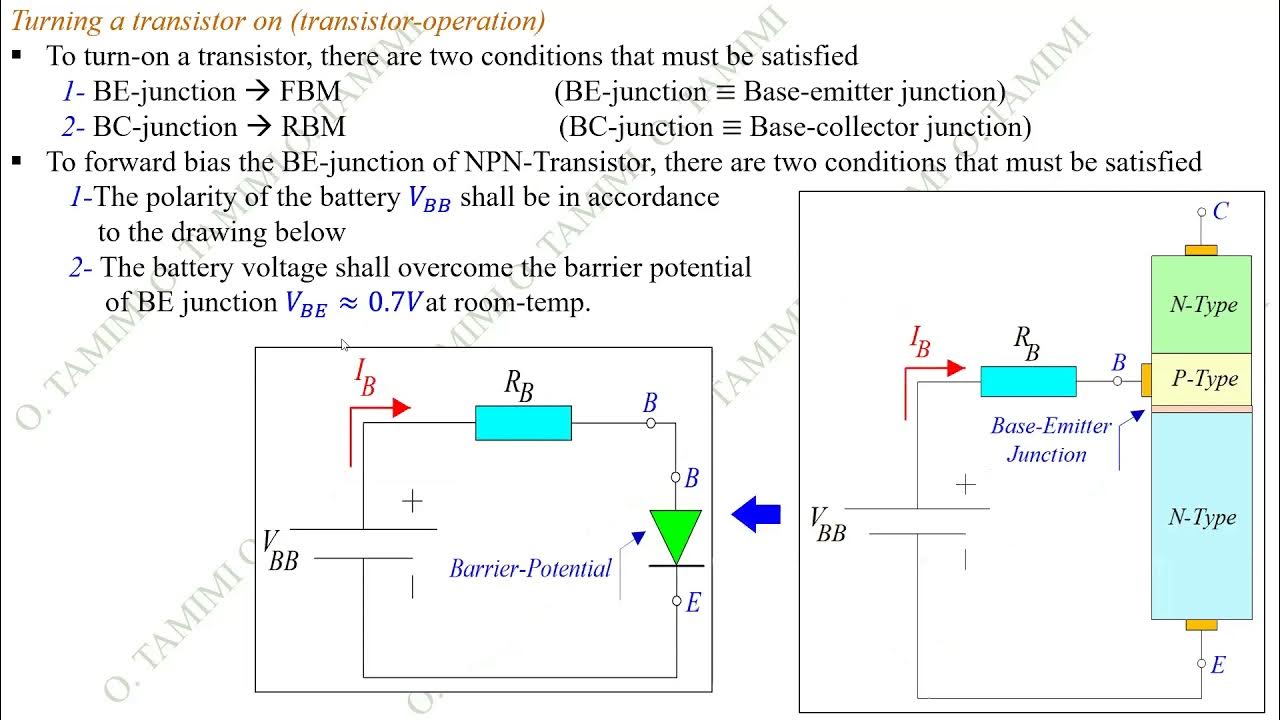
In the second installment of this series, we will explain Vceo (collector-emitter voltage) and Vces (collector-emitter breakdown voltage).. Collector-emitter voltage Vceo. Vceo is the breakdown voltage when the depletion layer that spreads from the base to the emitter and the depletion layer that spreads from the EB junction to the base collide. (See Figure 5 on the left below) What is a Bipolar Junction Transistor (BJT) and how does it work? The transistor is classically defined as a three-terminal semiconductor device that operates as a linear amplifier, oscillator, or digital switch. To intuitively understand transistors, you will need to build a circuit. Start by building the beginner transistor circuits

Bipolar Junction Transistor (BJT) FAQ: Answers to Common Questions Circuit Diagram
In order for a transistor to properly function as a current regulator, the controlling (base) current and the controlled (collector) currents must be going in the proper directions: meshing additively at the emitter and going in the direction of the emitter arrow symbol. RELATED WORKSHEET: Bipolar Junction Transistor (BJT) Theory Worksheet